
National Perennial Month: Why Perennials Matter
If you love a garden that gets better every year, June is your month. June is National Perennial Month—a perfect time to celebrate plants that come back season after season, bringing dependable color, texture, and pollinator-friendly blooms to landscapes with less replanting and less waste.
Whether you’re a new gardener looking for “easy wins” or a seasoned plant lover refining your beds, perennials are the backbone of a beautiful, resilient yard.
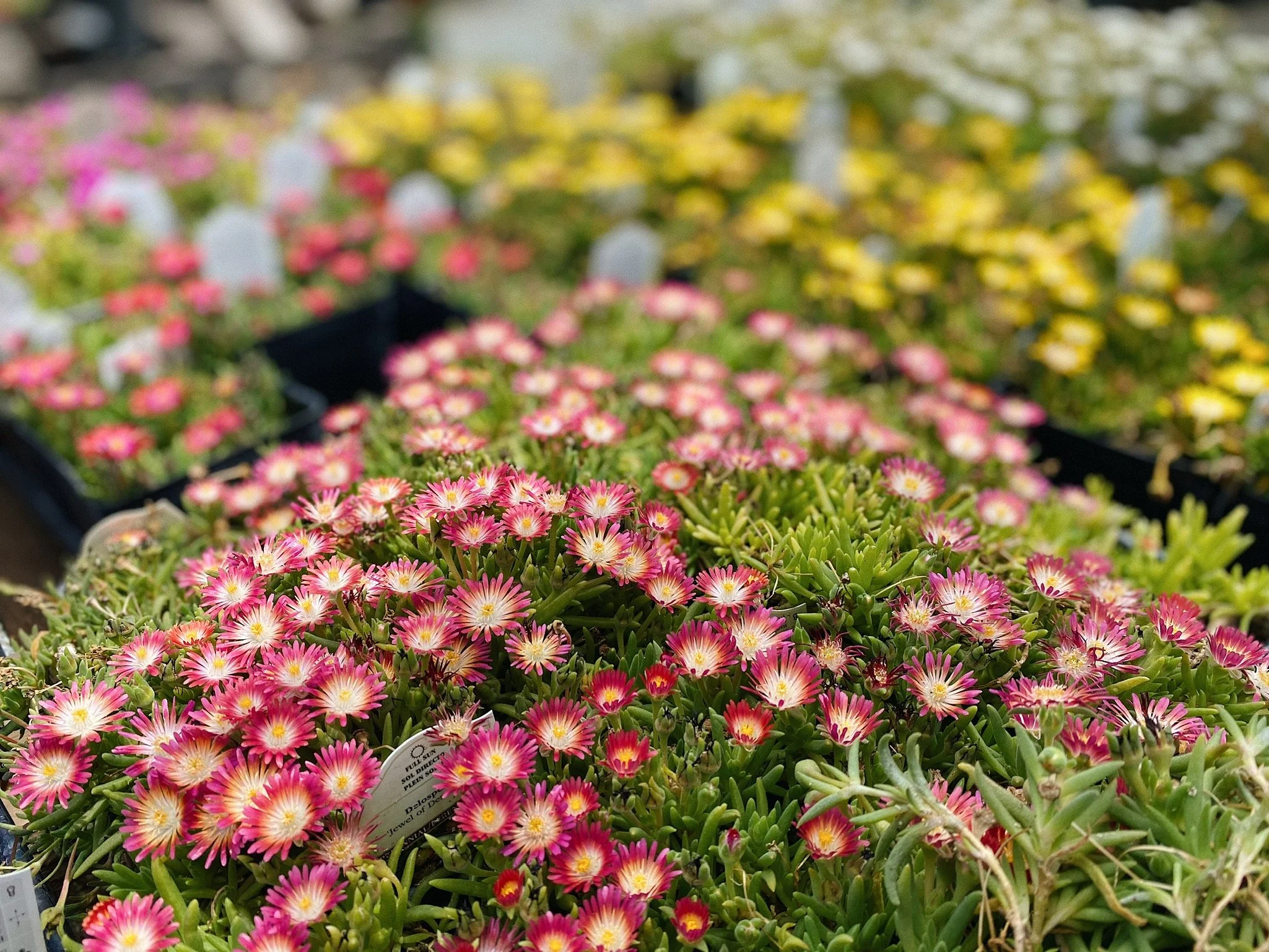
What Is A Perennial?
A perennial is a plant that lives for multiple years, returning each growing season from its root system (unlike annuals, which complete their life cycle in one season). Many perennials bloom for weeks, then rest, storing energy to return the following year—often bigger and stronger.
Why National Perennial Month Is Important
National Perennial Month is more than a fun gardening calendar moment—it’s a reminder of how much long-term value perennials bring to home landscapes and local ecosystems.
1) Perennials support pollinators and wildlife
Many perennials are rich nectar and pollen sources, helping bees, butterflies, and beneficial insects throughout the growing season. When you plant perennials with staggered bloom times, you create a more consistent food supply.
2) They’re a smart long-term investment
Perennials can cost a bit more upfront than a flat of annuals, but they often:
multiply (many can be divided)
fill in over time
reduce the need to buy new plants every spring
3) Less replanting, less waste
Because they return year after year, perennials can mean fewer plastic pots, fewer trips to the garden center, and less seasonal rework.
4) They build a more resilient landscape
Once established, many perennials handle weather swings better than shallow-rooted annuals. Deep roots can help with:
drought tolerance
erosion control
soil structure and soil life
A Few Great Perennial Plants To Consider
Here are several popular, widely available perennials that bring beauty and function to gardens in many regions. (Always double-check your USDA hardiness zone and sunlight conditions.)
1) Coneflower (Echinacea)
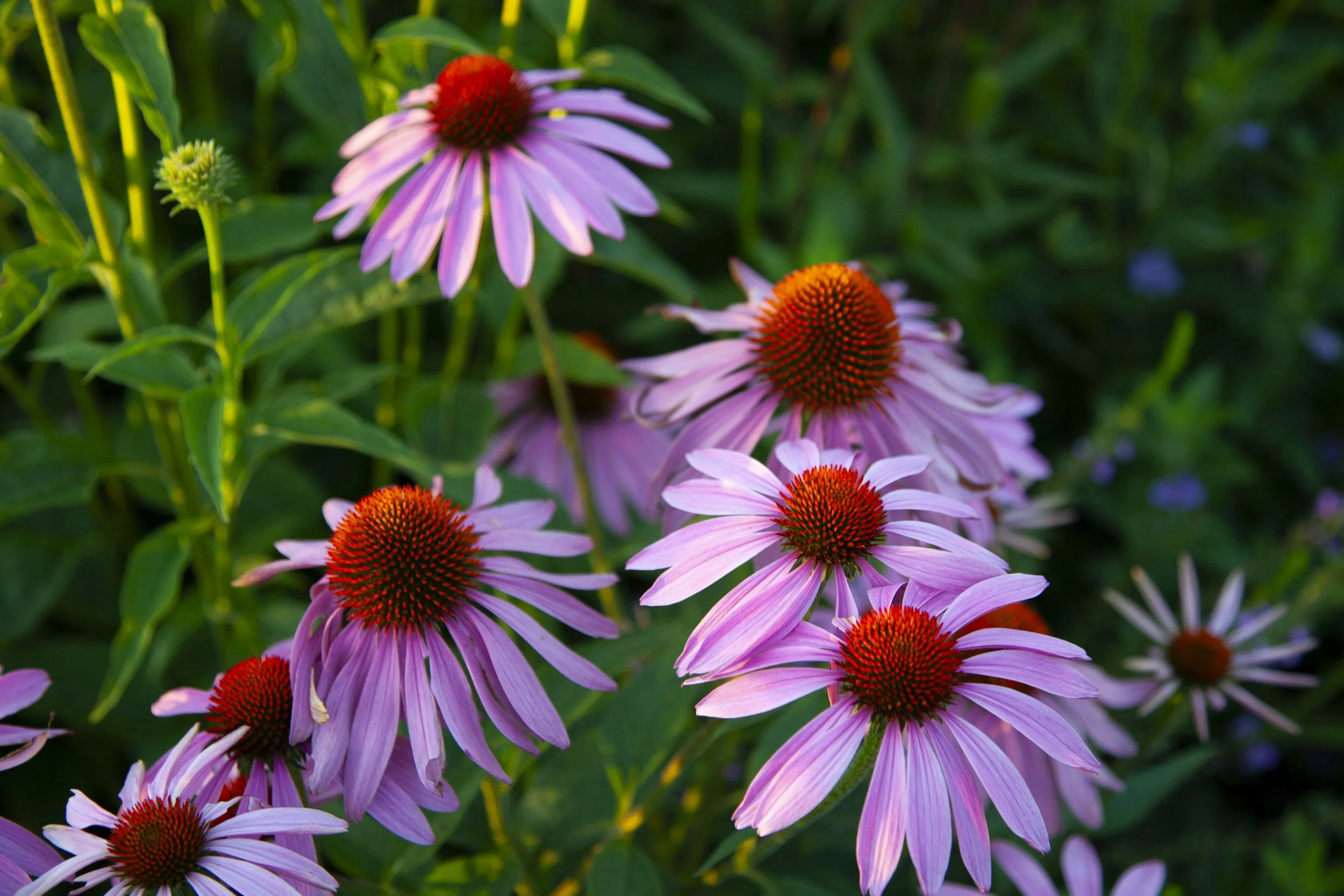
Why gardeners love it: Bold, daisy-like blooms in purple, pink, white, and more.
Benefits:
Excellent for pollinators (bees and butterflies)
Often drought-tolerant once established
Seed heads can feed birds in fall/winter
Strong “summer garden” color with minimal fuss
Best conditions: Full sun, well-drained soil.
2) Black-eyed Susan (Rudbeckia)
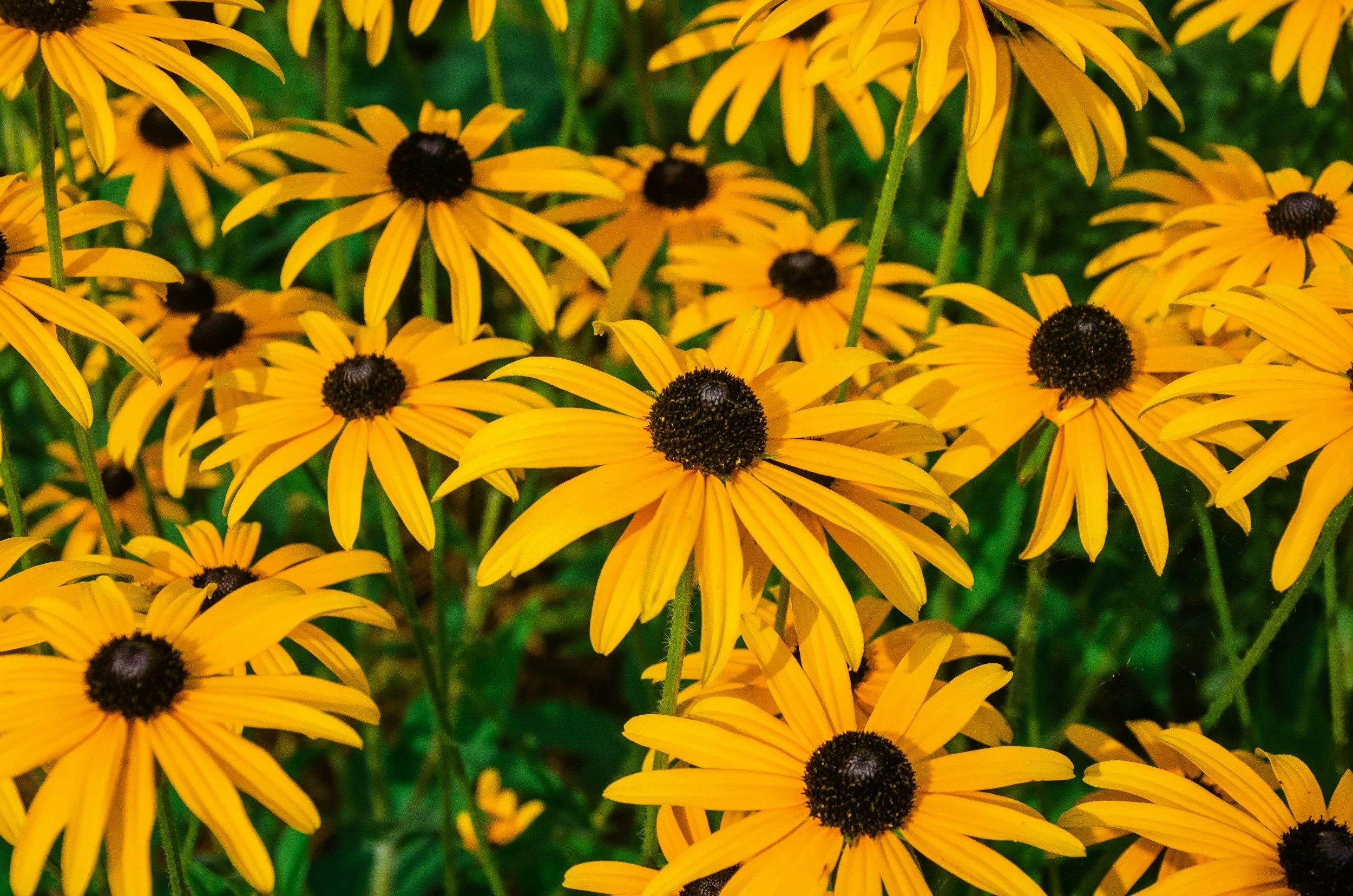
Why gardeners love it: Cheerful yellow flowers that scream summer.
Benefits:
Long bloom time (often mid-summer into fall)
Reliable, hardy, and great for mass planting
Supports pollinators and adds bright curb appeal
Wide varieties are tough and forgiving for beginners
Best conditions: Full sun to part sun.
3) Daylily (Hemerocallis)
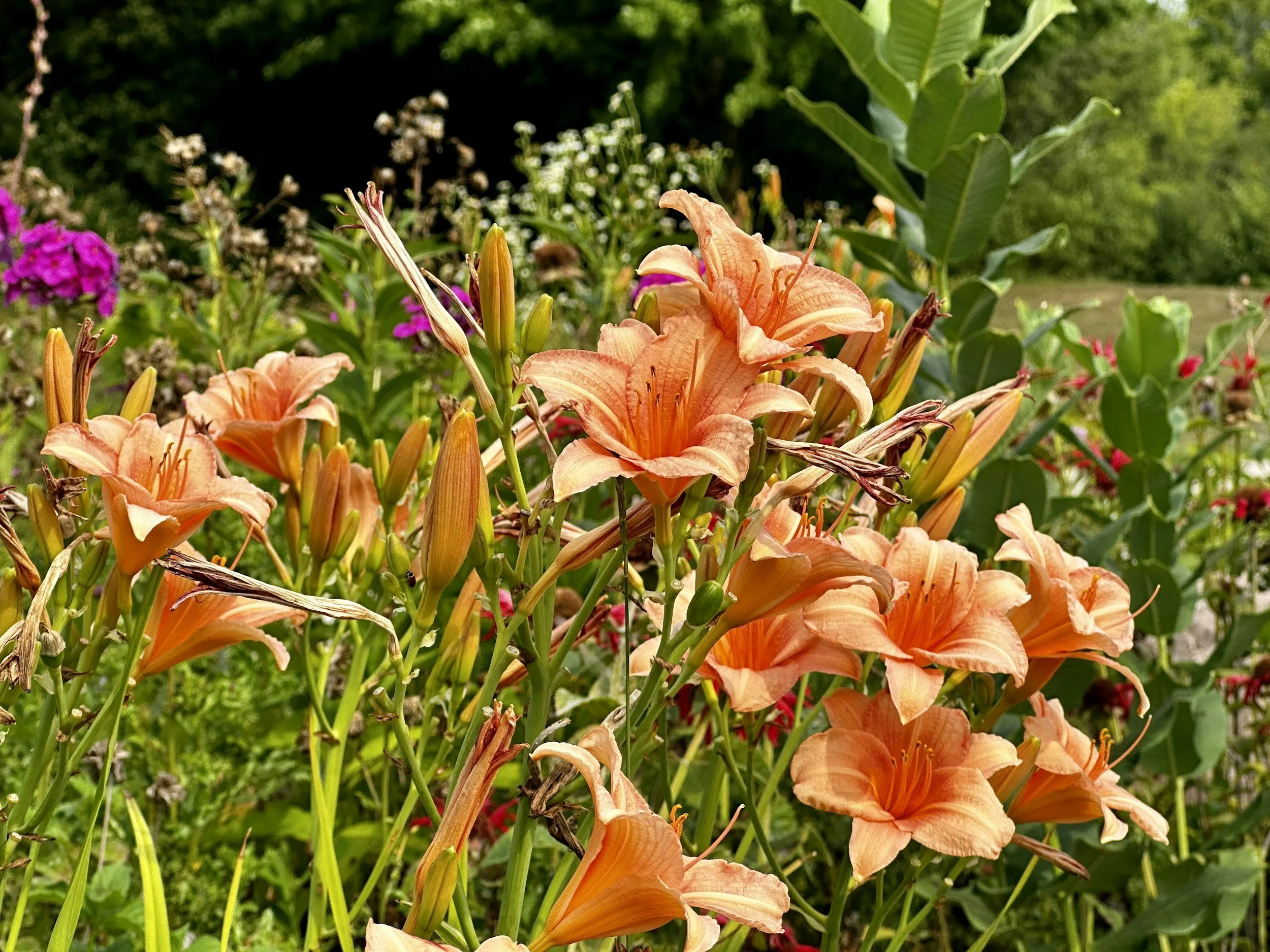
Why gardeners love it: Extremely adaptable, available in tons of colors.
Benefits:
One of the easiest perennials to grow
Helps create a full, landscaped look quickly
Many are drought-tolerant and low maintenance
Great for borders, slopes, and “problem areas”
Best conditions: Full sun to part sun.
4) Lavender (Lavandula)
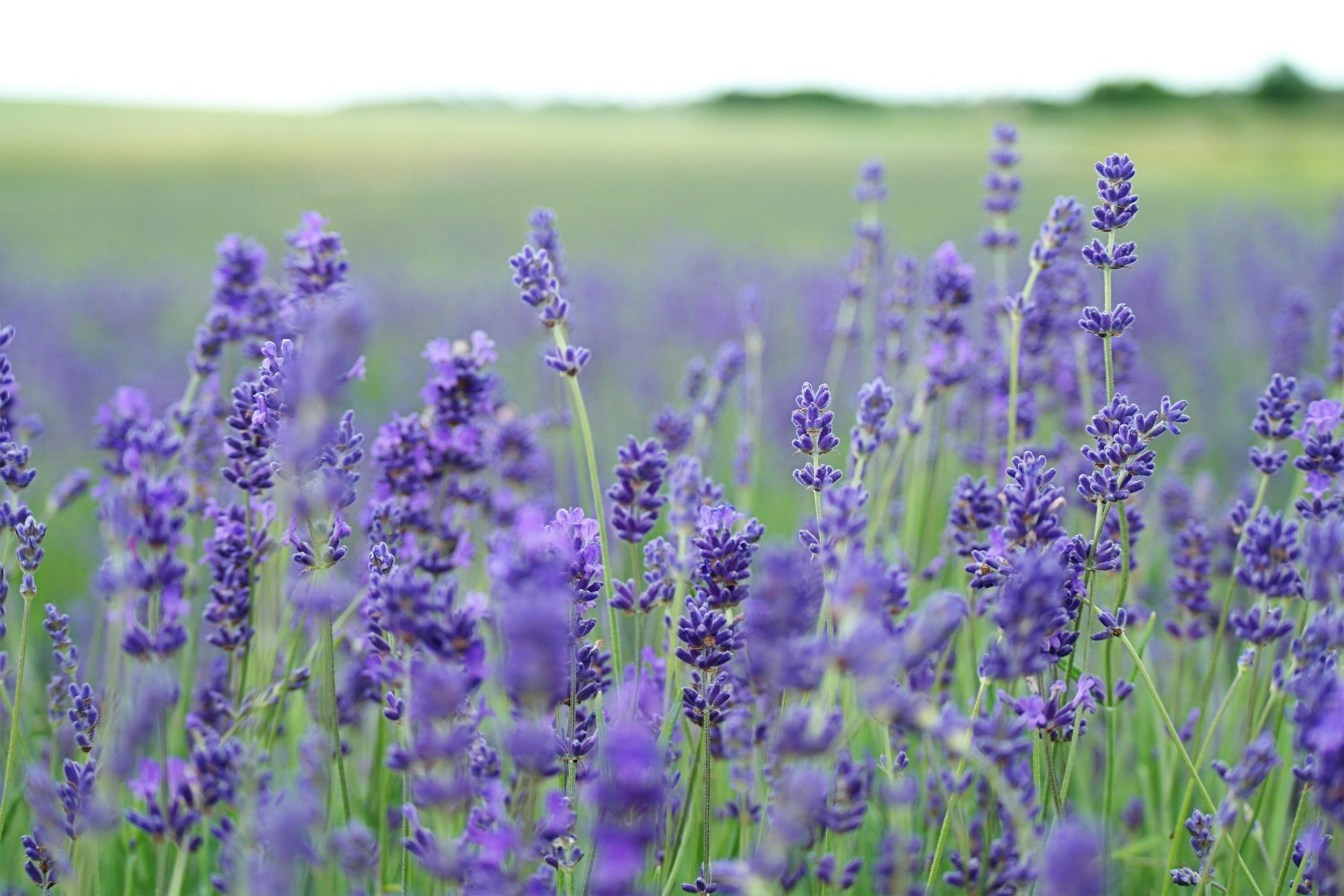
Why gardeners love it: Fragrant, silvery foliage and calming purple blooms.
Benefits:
Loved by bees and other beneficial insects
Drought-tolerant in the right soil
Great for sensory gardens and cut bouquets
Often deer resistant (though nothing is guaranteed)
Best conditions: Full sun, very well-drained soil (avoid soggy spots).
5) Salvia (Salvia nemorosa and other hardy salvias)
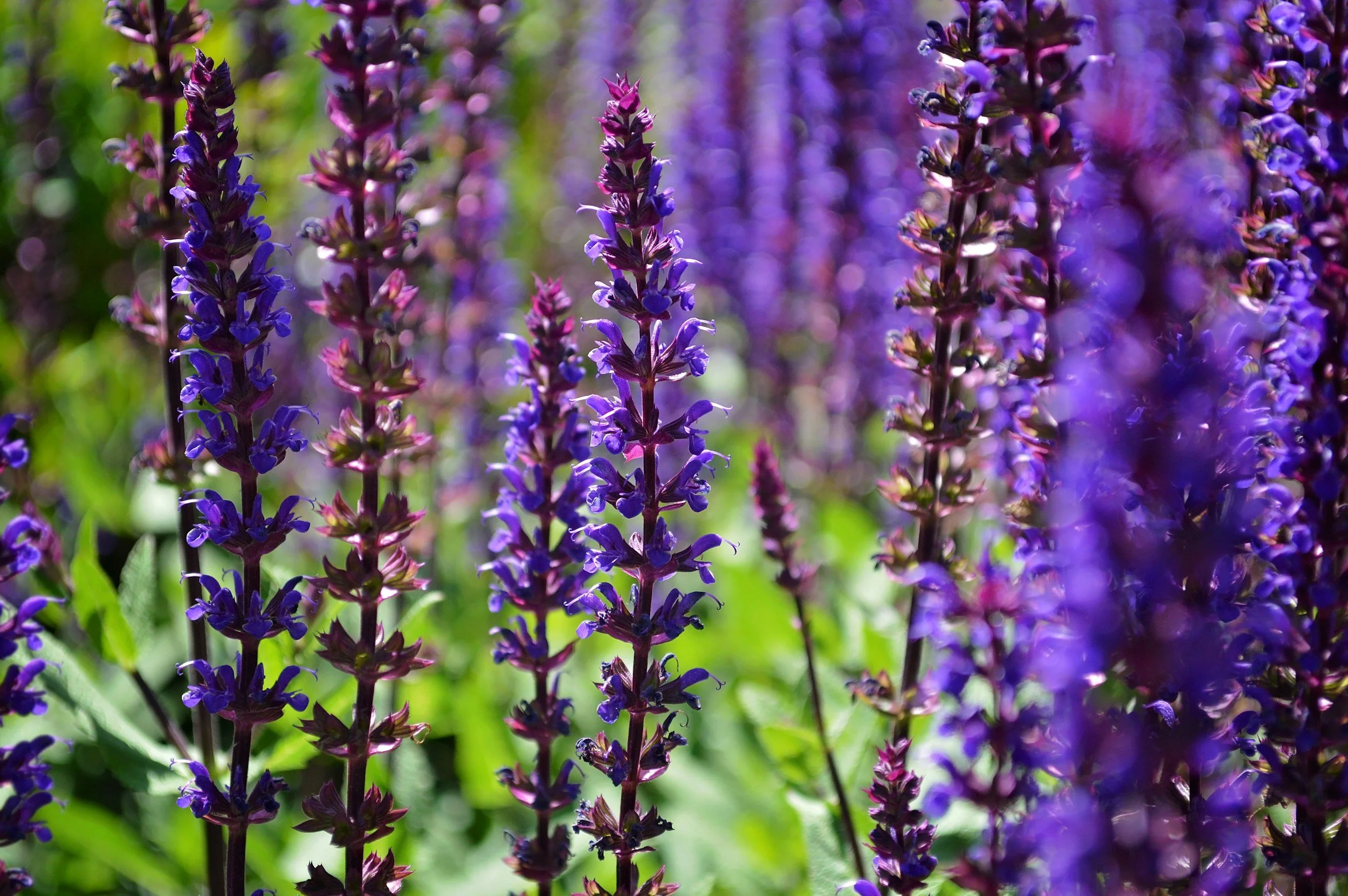
Why gardeners love it: Spikes of color and a tidy, upright form.
Benefits:
Major pollinator magnet
Often blooms repeatedly if trimmed (“deadheaded”)
Adds strong vertical interest and pairs well with many plants
Usually heat-tolerant once established
Best conditions: Full sun to part sun.
6) Sedum / Stonecrop (Hylotelephium and Sedum)
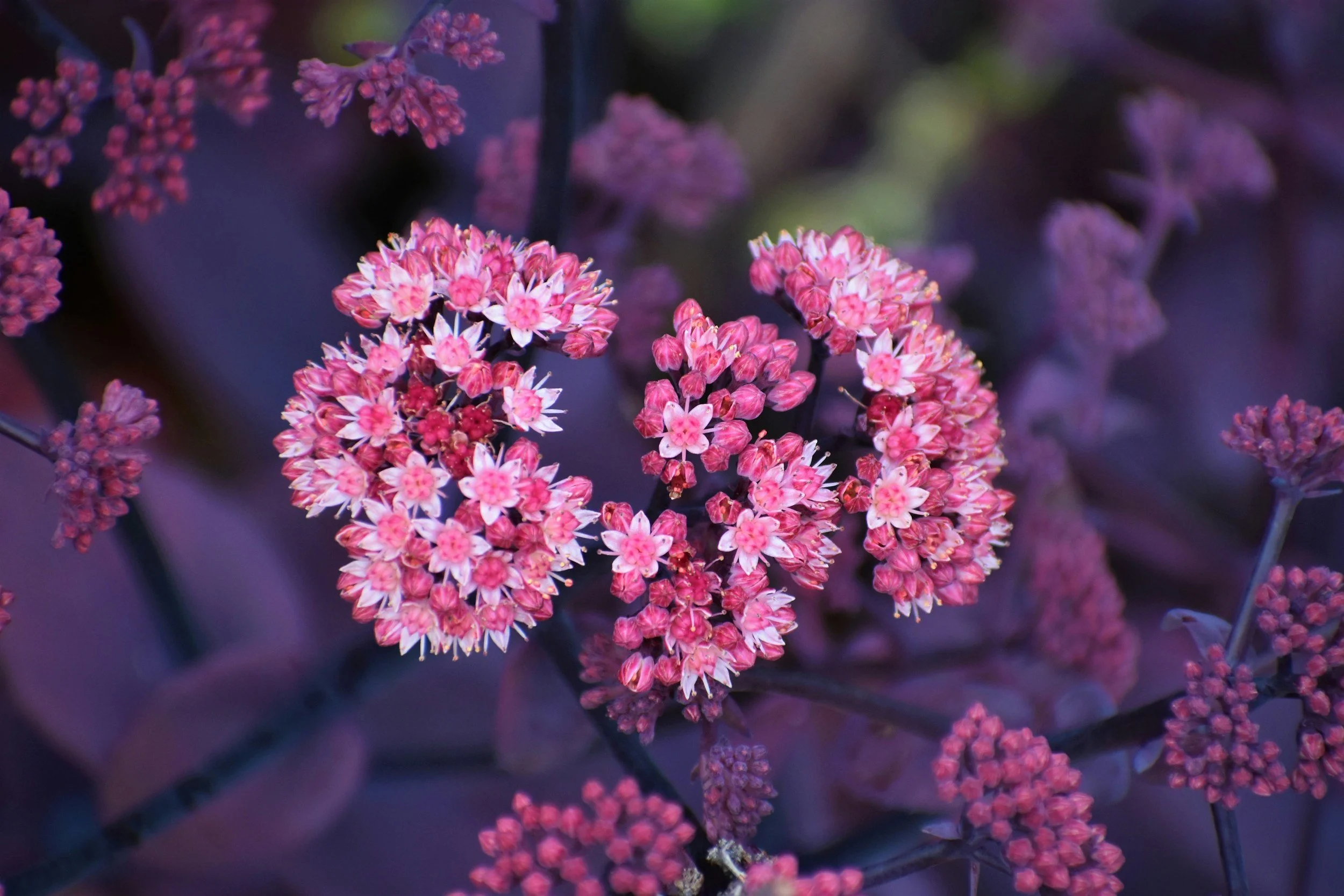
Why gardeners love it: Tough succulent-like leaves and late-season flowers.
Benefits:
Very drought-tolerant once established
Great for hot, sunny areas and low-water landscapes
Late blooms can help pollinators when other flowers fade
Adds structure and interest even when not in bloom
Best conditions: Full sun, well-drained soil.
Quick tips for success with perennials
Right plant, right place: Match sun/shade and soil moisture to the plant’s needs.
Think in seasons: Mix early-, mid-, and late-blooming perennials so something is always happening.
Water deeply at first: Many perennials need consistent watering in their first season while roots establish.
Don’t over-mulch crowns: Keep mulch from smothering the base of plants to prevent rot.
Celebrate National Perennial Month with one simple project
If you want an easy way to participate, try this:
Pick a sunny spot that needs reliable color.
Plant a small “starter trio” of perennials (for example: coneflower + salvia + sedum).
Add a layer of mulch and water well for the first few weeks.
By next year, you’ll already see the payoff—stronger plants, more blooms, and more life in your garden.
