B L O G

Susan's Sicilian Pasta Sauce
Take a trip to your local farmers market, AKA Garden Valley Farmers Market, grab some farm fresh Roma tomatoes (or yellow tomatoes if you need a less acidic sauce), some fresh oregano, basil, and thyme plants, and let’s get to making Susan’s famous Sicilian Pasta Sauce.
Take a trip to your local farmers market, grab some farm fresh Roma tomatoes (or yellow tomatoes if you need a less acidic sauce), some fresh oregano, basil, and thyme plants, and let’s get to making Susan’s famous Sicilian Pasta Sauce.

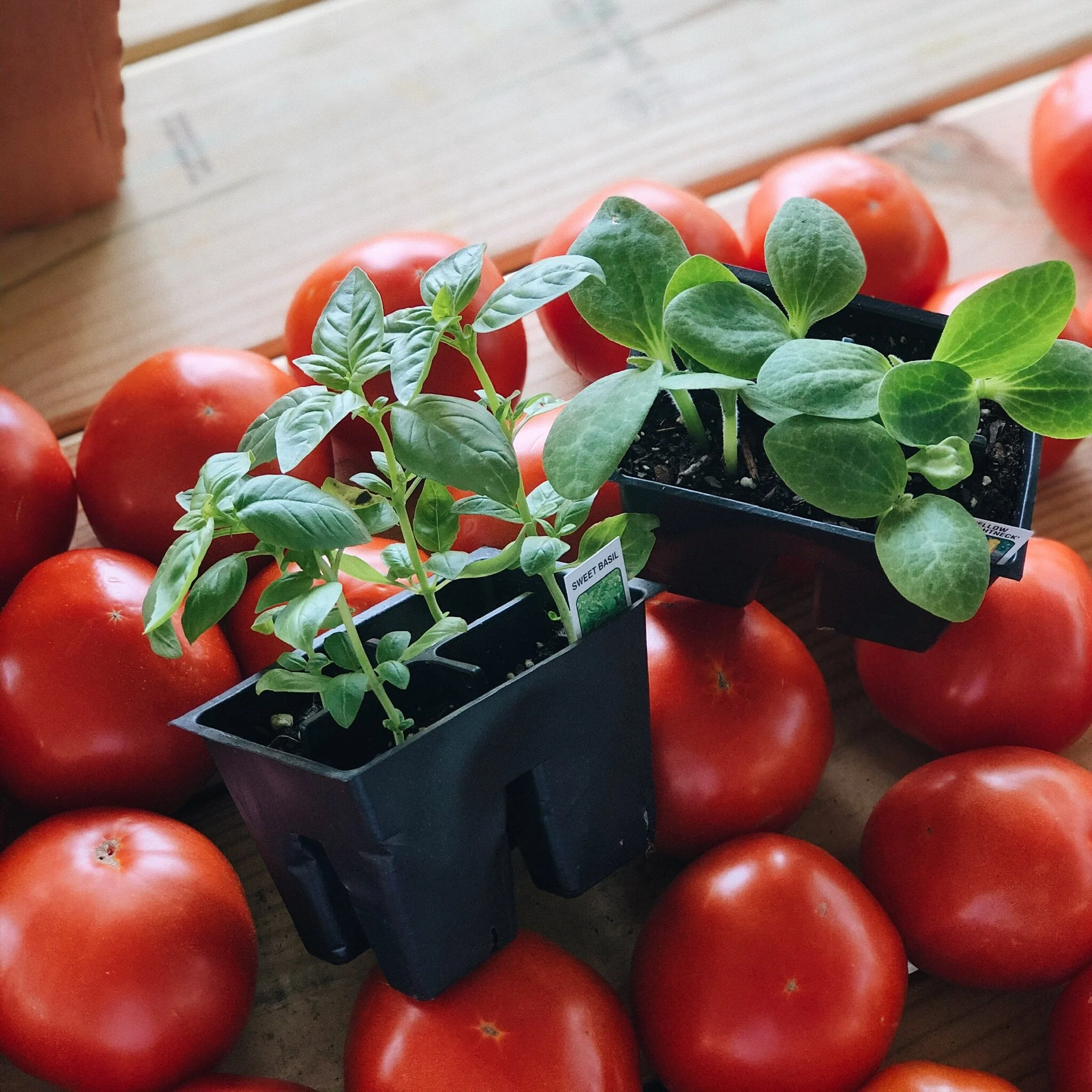
Side note- Growing your own fresh herbs is so much more flavorful than buying them from the store! Garden Valley has a great selection of fresh herbs for you to choose from, as well as fresh, homegrown tomatoes that are juicy and make the perfect base for this flavorful pasta sauce.
Also, if you head to this Garden Valley location, you’ll meet Susan, the founder of this delicious recipe that leaves her grown children coming back home for supper with empty stomachs, and leaving with full hearts (and bellies).
how to make susan’s sicilian pasta sauce
Before starting, we recommend that you turn on some of your favorite Italian music.
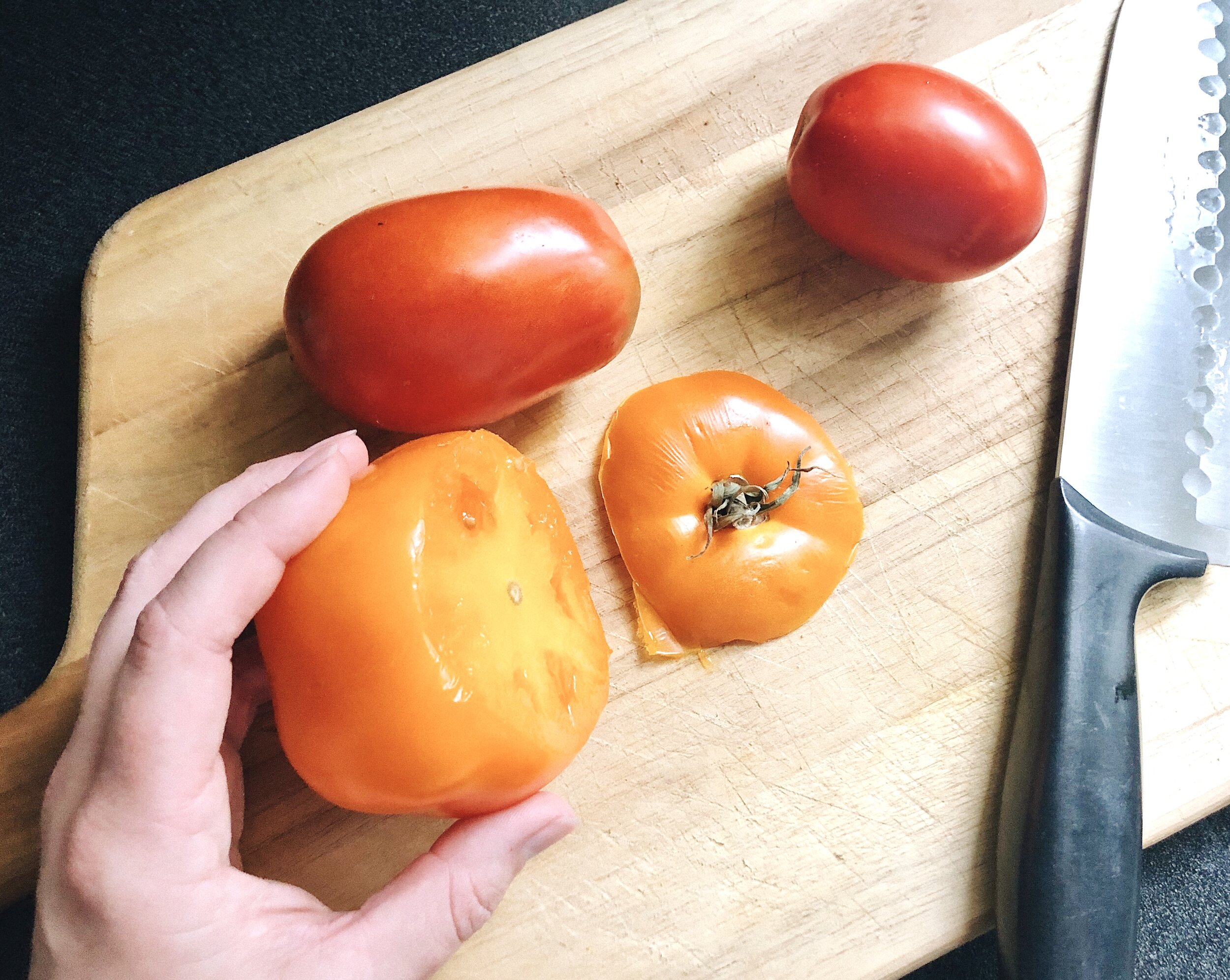
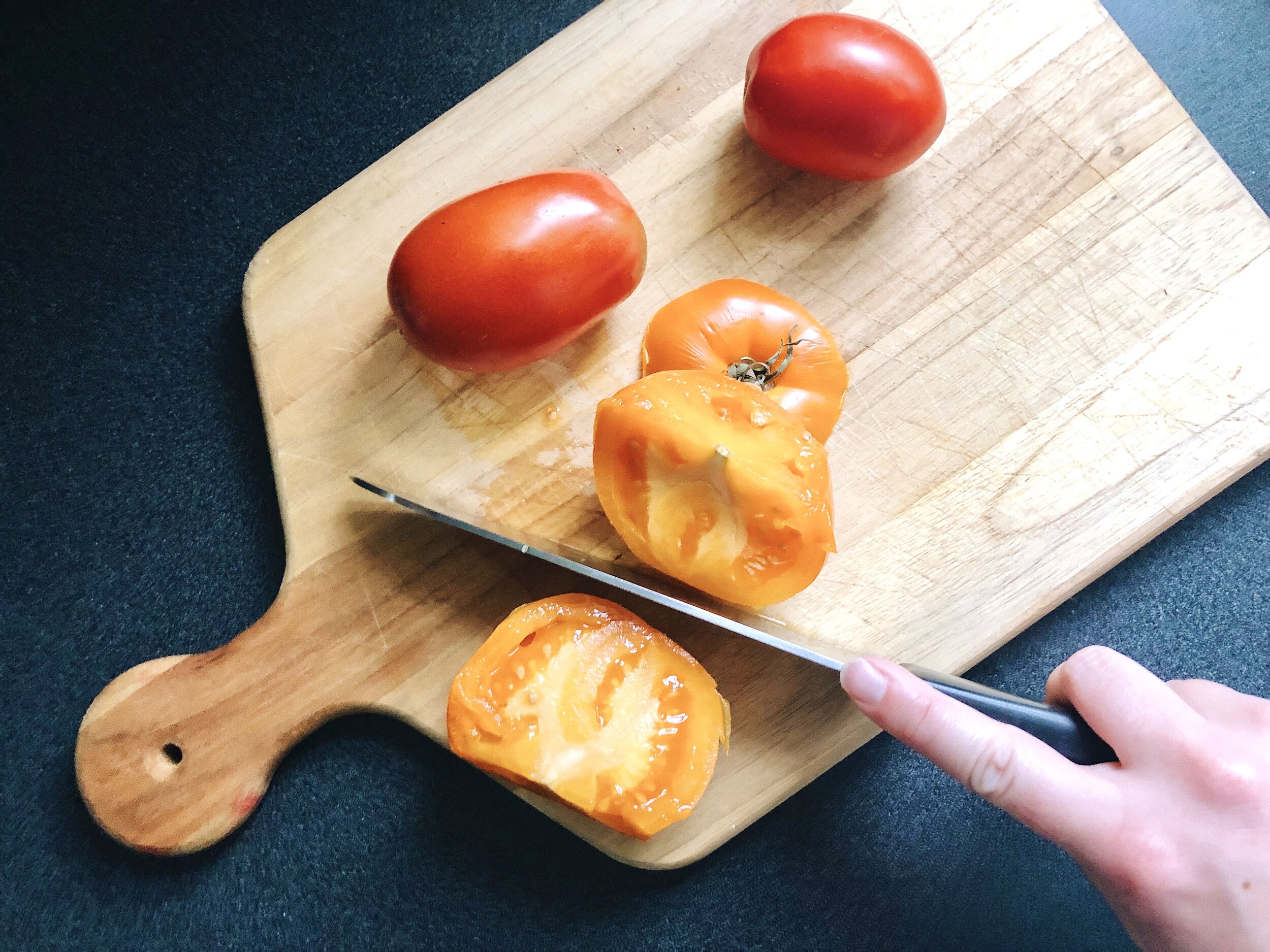

Cut the tops of the tomatoes off and slice the tomato in half. Add your tomatoes to the pan, and begin to cook over medium heat with salt and pepper and a 1/3 cup water. Cover and simmer for 15-20 minutes. Turn off your stove but let them sit for a bit, which will make it easier to peel the skins off.
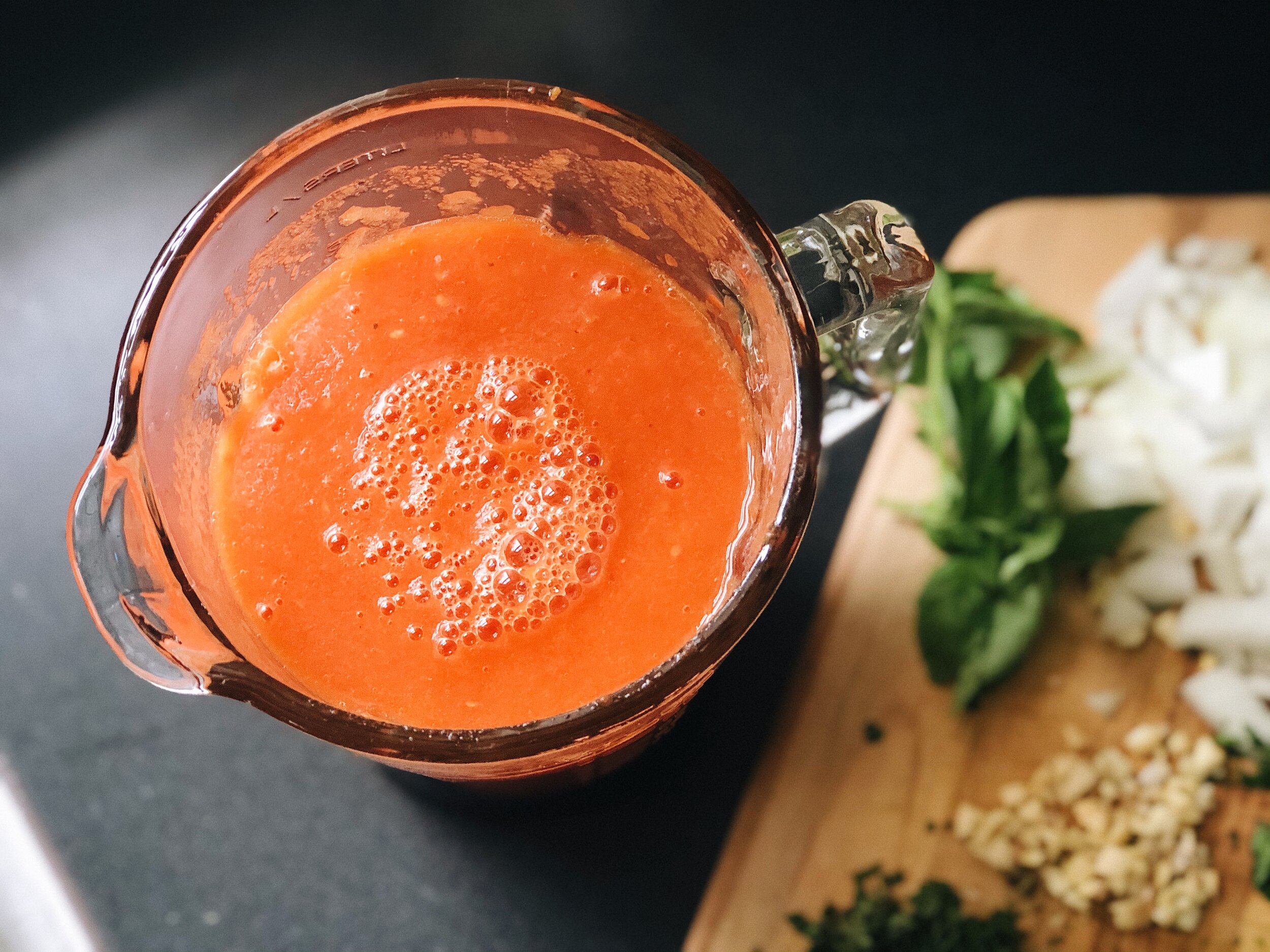
Add your peeled tomatoes into the food processor or blender and pulse so that tomatoes are blended well but still have a thicker consistency. (If you’re wanting a smoother consistency, you can always choose the blend button instead of pulse.)

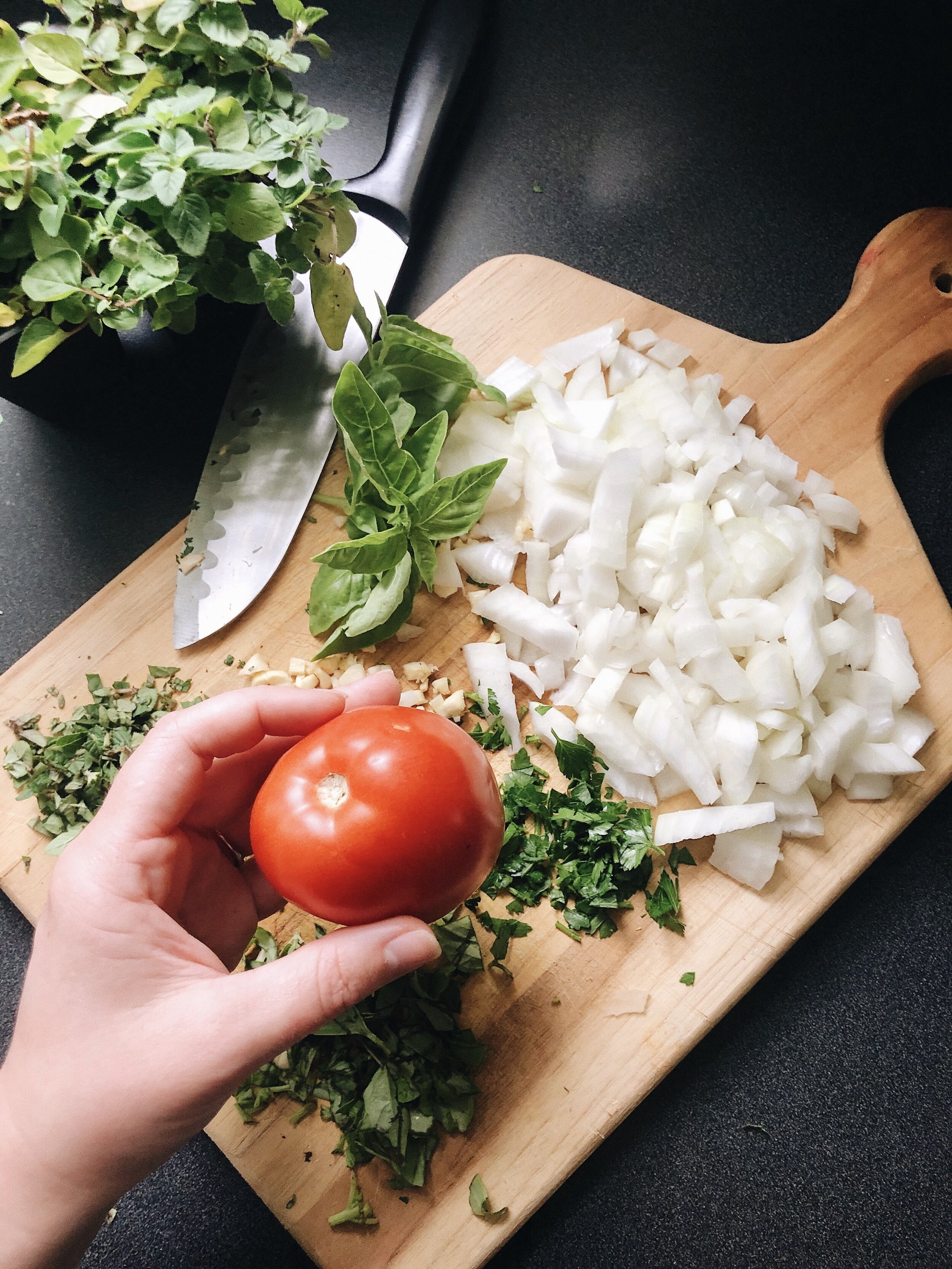

In a large pot, add 4 tablespoons of butter and whatever seasonings you’re wanting. We like to add Garlic, chopped Onion, Thyme, Oregano, Basil, Salt, and Pepper. You can also add red pepper flakes if you’re wanting a little bit of heat in your sauce. Let simmer, for 5 minutes, deglaze with a splash of red wine, and add your blended tomatoes.
If you’re wanting to add meat to your sauce, cook only three-fourth’s of the way through, and then add to sauce. This allows the meat to absorb the flavor of the tomato sauce, and will allow the meat to finish cooking without becoming dry.
A few meat suggestions:
+ Italian Sausage, Pork Ribs, or this Homemade Meatball recipe from Our Balanced Bowl
Bring ingredients to a boil, simmer throughout the day, and enjoy the fresh aroma of homemade pasta sauce filling up your home.

Susan’s Sicilian Pasta sauce
INGREDIENTS
10-12 Roma (or Yellow) Tomatoes
1/3 C Water
4 T of butter
1 Medium Vidalia Onion
3 Garlic Cloves
2 T Oregano
2 T Thyme
3 T Basil
2 T Parsley
Splash of Red Wine
DIRECTIONS
1. Cut off the tops of the tomatoes.
2. Slice the tomatoes in half. Add halved tomatoes, water, and salt/pepper (to taste) into your pot and cover with lid. Let simmer on medium heat for 15-20 minutes.
3. Once finished, let tomatoes sit for 5-10 minutes to cool off. Peel skins of tomatoes off, add to blender, and pulse until a smooth texture is achieved.
4. Add butter, onion, garlic, oregano, thyme, basil and parsley to a large pot. Simmer over medium-high flame for approximately 5 minutes. Deglaze with a splash of red wine. Add blended tomatoes and stir together.
5. Bring ingredients to a boil, then reduce heat and allow to simmer at least 4 hours.
S I D E N O T E
If you are adding meat to your pasta sauce, cook only three-fourths of the way through so that your meat is not dried out and is able to absorb the flavor of the sauce. Here is a great meatball recipe.
When you try this delicious sauce, we would love to see your photos, so tag @gardenvalleyfarmersmarket in your posts, and don’t forget to use the hashtag #gardenvalleyfarmersmarket and show us your pasta night!
Lastly, if you find this information helpful, we’d love it if you would support us
by sharing with your friends.
Happy Pasta Night!
Thank you so much for joining us here. For more information on what Garden Valley Farmers Market is about, you can visit us here. If you’re wanting to visit with us, come by any of our five North Carolina locations. If you’re wanting to follow along with us, you can do so either on our Facebook, Youtube, or our Instagram. If you’re wanting to earn rewards and be easily connected with us, download our new App. And if you’re wanting to check out our other recipes and blog posts, or are needing more inspiration, follow us on our Pinterest. We’d love to have you join us in our journey of planting better, eating better, and living better.
Much love,
Your Garden Valley Farmers Market Team

Growing the Herb Garden of Your Dreams
Whether you’re adding fresh rosemary to your chicken recipe, or infusing your freshly squeezed lemonade with lavender, we’ve got all of the tips and tricks ready for you to start the herb garden of your DREAMS!
Do you love herbs? Well we do too! Herbs not only add delicious flavor to your favorite recipes, but they also have medicinal, homeopathic properties that your grandmother has been using for ages. Whether you’re adding fresh rosemary to your chicken recipe, or infusing your freshly squeezed lemonade with lavender, we’ve got all of the tips and tricks ready for you to start the herb garden of your dreams.

How to Choose Your Plants
Before choosing your herb garden plants, we recommend you start small, and then work your way up from there. Learn to “get the hang” of growing herbs before committing to a HUGE garden. Because herbs do have different needs than other plants, and while normally easier, they can sometimes take some getting use to.
Here is some info and a few examples of how we use our favorite herbs:
Rosemary: promotes increased concentration and digestion, but also a delicious addition to chicken.
Basil: known for it's use in italian cuisine (especially pesto), rich in antioxidants, and fast growing.
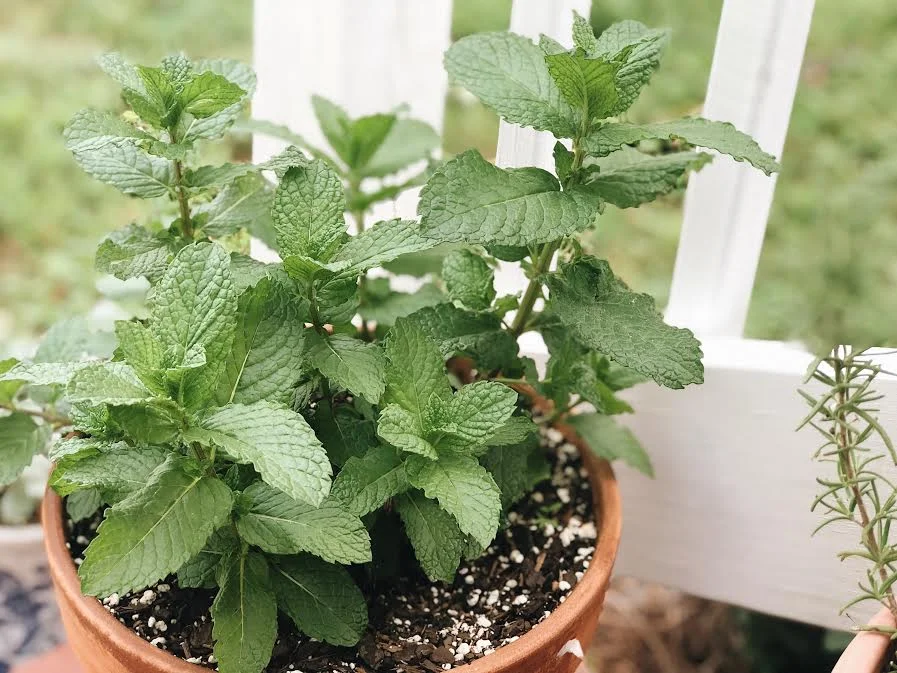
Mints: have many varieties. Can take over a garden, so they are best grown in containers. Also make great teas.
Oregano: is DELICIOUS when infused in honey or butter.
Lavender: is also great for teas. Also fun to make DIY lavender bath salts and candles.
Parsley: makes a fresh addition to salads and meats.
Perennial Options
If you’re wanting some perennial options (a plant that will remain more than one year) specific for our zones in North Carolina (6a-8a), here are some great options for you:
Catmint: cats LOVE this plant (if you don’t like cats, don’t plant this herb).
Also yummy as a tea.
Rosemary: (Rosmarinus Officinalis) looks beautiful and smells amazing. Can be used for not only culinary purposes, but also for decorations at Christmas.
Silver Thyme: has a pretty pink blossom in the summer with slight lemon-scented leaves.
Chives: grow back even bigger every year, and have a pretty purple flower.
Oregano: will return if you cut it back in the fall and cover with mulch.


Choose Your Pots (Or Beds)
If choosing pots, remember that the larger the pot, the larger the crop. For example, mint grows like CRAZY, so if you’re wanting a lot of mint, we recommend planting in a larger pot. If growing in the ground, keep in mind that some plants are more invasive than others, so protect the more delicate plants by keeping the invasive herbs away from them.
Use High Quality Soil
Start your herb garden out on the right foot by choosing a good quality soil. Daddy Pete’s Soil is a great organic option that we carry at our stores in North Carolina, which we mentioned here in this post. And remember, you are most likely going to be eating these herbs, so try and avoid spraying them with a chemical fertilizer. A great alternative to chemical fertilizer would be mixing in some compost to the soil when planting.

Watering Needs
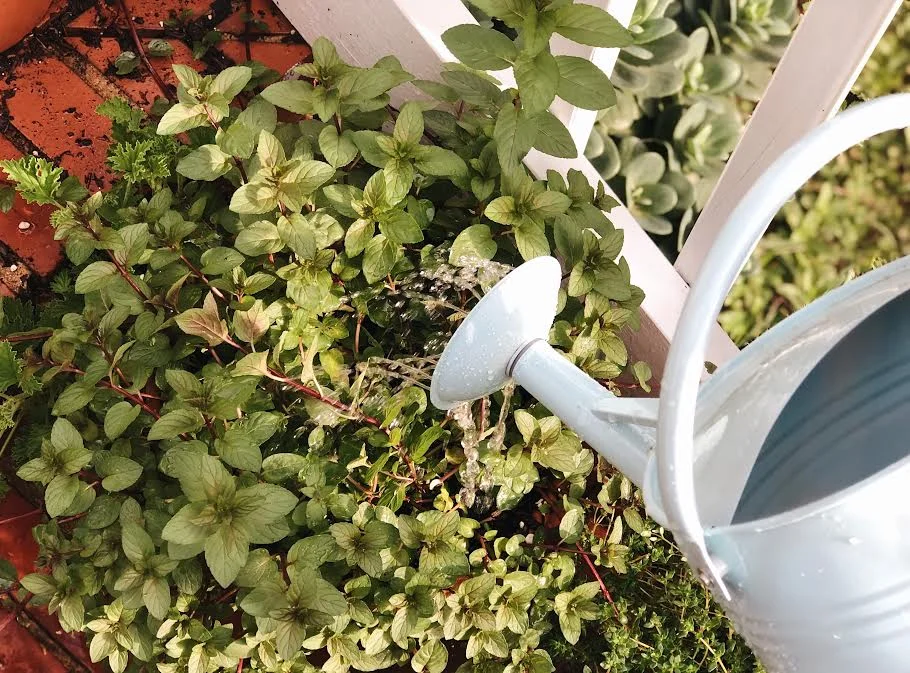
Herbs are not like houseplants or succulents because they need a moderate amount of water every day, depending on the specific herb. And usually the best time to water is in the early morning, which allows the sun to dry the water from the leaves and prevent mold and mildew growth. Be careful not to overwater, as some herbs tend to gravitate toward root rot (like Sage).
Choose Your Location Wisely
Some herbs like a cool, shady spot, and some like a hot, sunny location, so remember to check the tag of your herb before planting. Another tip to keep in mind, in regard to location, is this: keep your herbs easily accessible. For example, you don’t want to be running through a summer rainstorm (or maybe you do) to go and cut the lavender from the garden that you forgot to get earlier that day.
Give It A Haircut… aka a pruning
We like to think of pruning herbs as “giving them haircuts”. If you trim the TOP of your herbs, more will grow back in its place, creating a full and healthier plant. You also want to cut from the top of your herbs, not the bottom. The bottom leaves are the sturdy base to your herb, so don’t cut those gorgeous leaves. And remember to trim often, because some herbs tend to die after blossoming like Cilantro. The leaves age, dry up, and fall off, leaving you with a twig and no leaves, which is sad and disappointing.


Do you enjoy planting herbs and using them in your recipes? If so, what’s your favorite herb and what recipe do you use them in? We’d love to hear about it in the comments below!
Please note: we truly hope you’ll come visit with us, and we would also love to see your gardening photos as well, so tag @gardenvalleyfarmersmarket in your posts, and don’t forget to use the hashtag #gardenvalleyfarmersmarket and show us your herbs!
And lastly, if you find this information helpful, we’d love it if you would support us by sharing with your friends.
Happy Herb Planting!
Thank you so much for joining us here. For more information on what Garden Valley Farmers Market is about, you can visit us here. If you’re wanting to visit with us, come by any of our five North Carolina locations. If you’re wanting to follow along with us, you can do so either on our Facebook, Youtube, or our Instagram. If you’re wanting to earn rewards and be easily connected with us, download our new App. And if you’re wanting to check out our other recipes and blog posts, or are needing more inspiration, follow us on our Pinterest. We’d love to have you join us in our journey of planting better, eating better, and living better.
Much love,
Your Garden Valley Farmers Market Team


A Stroll in the Market
A peaceful, relaxing evening filled with fresh produce and gorgeous blooms make this date night inspiration any couple’s dreams come true.
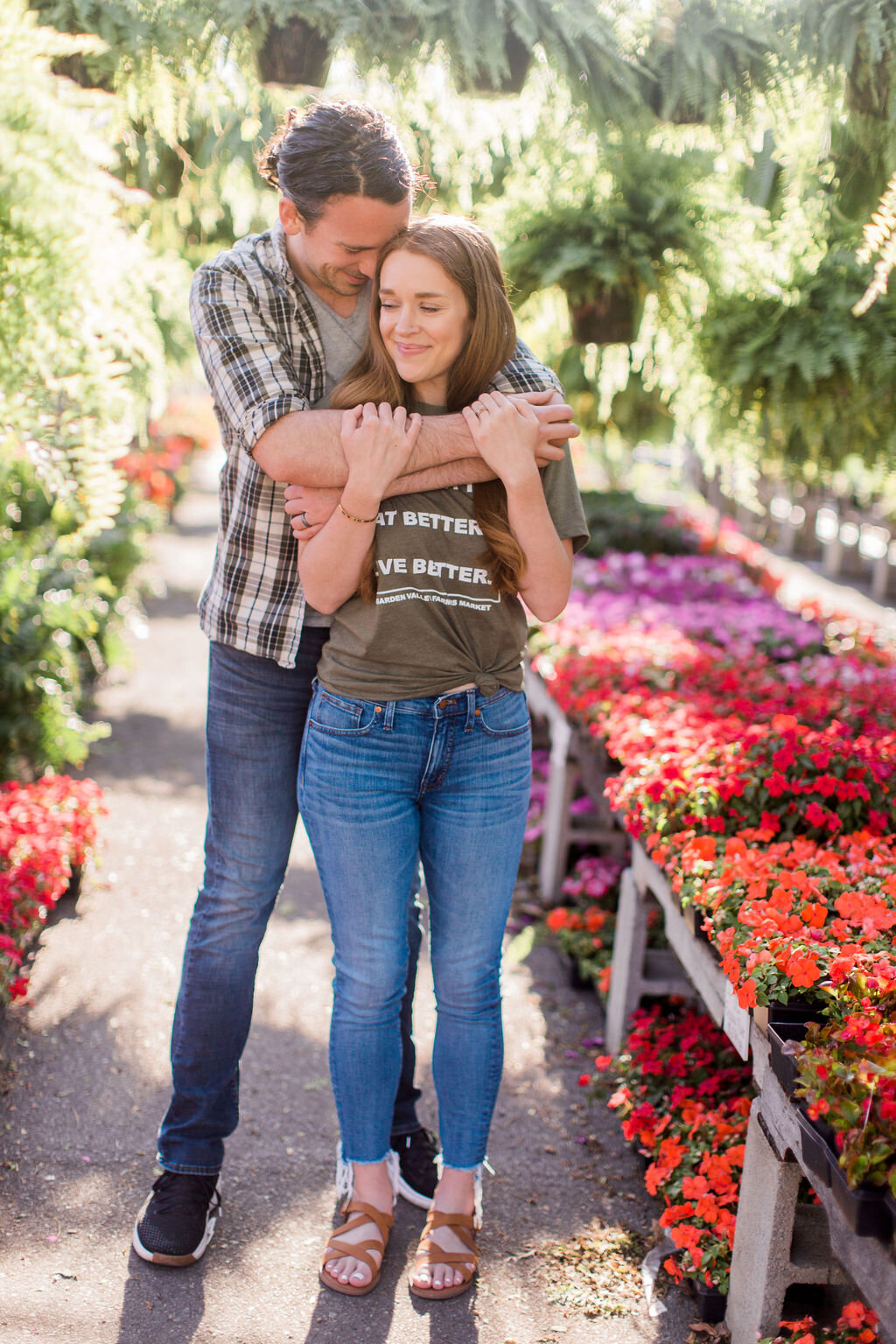
The day was perfect as Haylie and Ben strolled through our market with Iced Lattes from The Blend & Co., a local coffee shop located in downtown Burlington. The lattes made the perfect addition to an afternoon filled with all things plants and fresh produce. As they strolled through the aisles, holding hands and carrying a gorgeous Apolis bag, it truly was the perfect setting for a peaceful and joyful evening. Through the recent global health pandemic, one thing has remained constant in it all… Garden Valley Farmers Market is always a place you can feel at peace, and at home. And this evening perfectly reflected that. DiPrima Photography flawlessly captured the essence of this beautiful couple in this peaceful setting. With her light filled images, it truly reflects how the Light of our Savior is in Garden Valley, and we hope that you feel this Light as well when you visit with us.








The Talented Team
Jeans- Madewell
Shirt- Garden Valley Farmers Market
Market Bag- Apolis
Photography- DiPrima Photography
Venue- Garden Valley Farmers Market
Iced Lattes- The Blend & Co
Models- Ben and Haylie Abele from Our Balanced Bowl
Song- “You’re Gonna Be Okay” by Andrew Laparra

Growing Gorgeous Hibiscus
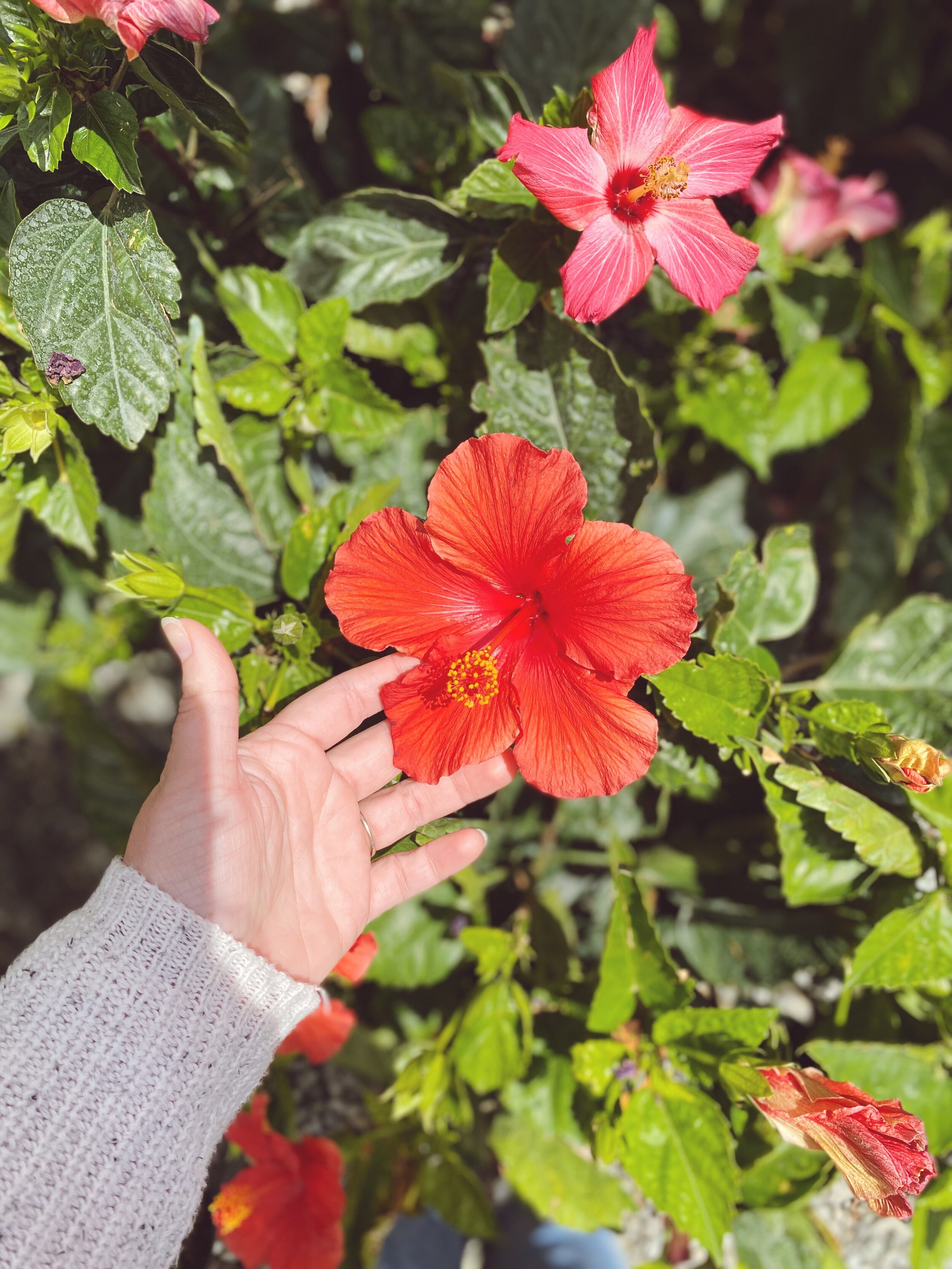
With absolutely gigantic, gorgeous, and beautiful blooms, Hibiscus bushes are the perfect spring, summer, and even fall plant that will leave your landscape bright and full of color. With a variety of bloom colors ranging from yellow to pink, these hardy tropical bushes are perfect for any yard that receives full sun.
With absolutely gigantic, gorgeous, and beautiful blooms, Hibiscus is the perfect spring, summer, and even fall plant that will leave your landscape bright and full of color and depth. With a variety of bloom colors ranging from yellow to pink, these hardy tropical bushes and trees are perfect for any yard that receives full sun.

here’s how to get those gigantic, gorgeous blooms, and keep them thriving:
L O C A T I O N
Hibiscus likes warm weather, and gravitates towards the sun, so if you’re considering one (or a few) for yourself, make sure you have a sunny location in mind. Many gardeners like to put them into the ground and watch how big they will grow, but repotting into a slightly larger pot would be another great option as well.
Hibiscus blooms are also prone to tear and are very delicate, so make sure to place them in a location that has some protection from the wind.
Did you know you can also bring your Hibiscus inside in the colder months? Just make sure it receives a ton of sunlight while inside.

S O I L
If planting your precious Hibiscus into the ground, add a little bit of fresh compost to the mix to increase the soil’s pH level, as Hibiscus likes it neutral or slightly acidic.
If planting in a pot, make sure to size up your pot an inch or two in diameter. And to use a well draining potting mix, like the Daddy Pete’s Potting Mix that we have available at our stores. It is organic and will leave you with a happy plant that’s producing vibrant blooms all summer long!

W A T E R I N G
The great thing about Hibiscus is that they are drought tolerant and don’t need as much watering attention as some other plants. However, that doesn’t mean that you should neglect them.
For the first week after planting, be sure to water daily to help the roots establish into its new soil bed. After the first week, every other day should be fine.
Once your plant is established, you can taper off your water schedule to about twice a week if there is no rainfall. However, on those hot and dry North Carolina days, remember that it might need some watering love every other day.


P R U N I N G
To promote bigger, and more beautiful blooms, you will have to remove the old blooms, that have lived their best life mind you, but are no longer pretty.
When bringing your bush or tree inside for the winter, you can trim it back to about one-third of its size in the LATE winter or early spring.
Enjoy this gorgeous inspiration gallery we sourced from Pinterest for ideas on how you can use Hibiscus, either outside in your landscaping or inside of your home.


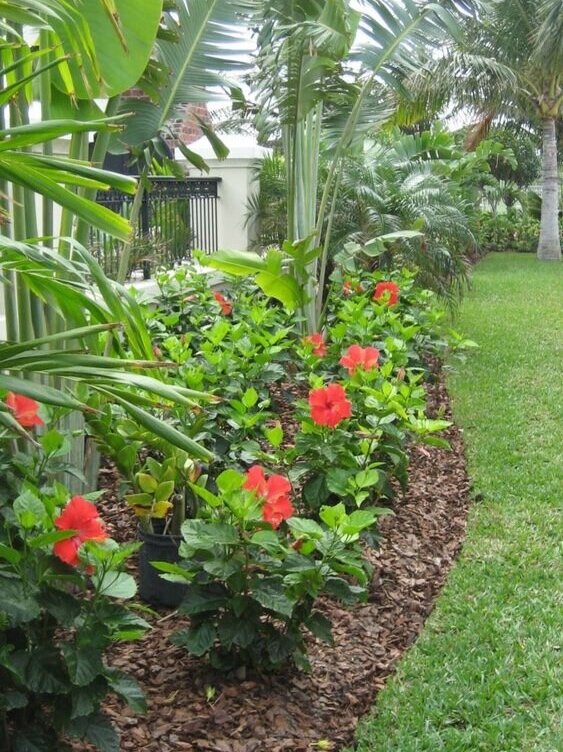
Do you enjoy growing Hibiscus in your yard to brighten up your garden? Are there other flower varieties you’d like to try? We’d love to hear about your plans in our comments below!
Please note: we truly hope you’ll come visit with us, and we would also love to see your gardening photos as well, so tag @gardenvalleyfarmersmarket in your posts, and don’t forget to use the hashtag #gardenvalleyfarmersmarket!
And lastly, if you find this information helpful, we’d love it if you would support us by sharing with your friends.
Thank you so much for joining us here. For more information on what Garden Valley Farmers Market is about, you can visit us here. If you’re wanting to visit with us, come by any of our five North Carolina locations. If you’re wanting to follow along with us, you can do so either on our Facebook, Youtube, or our Instagram. And if you’re wanting to check out our other recipes and blog posts, or are needing more inspiration, follow us on our Pinterest. We’d love to have you join us in our journey of planting better, eating better, and living better.
Much love,
Your Garden Valley Farmers Market Team

Welcome to
Garden Valley Farmers Market where we strive to
Plant Better.
Eat Better.
Live Better.
To read more about what our company is about, click the photo below. We’re glad you’re here.

LET’S BE SOCIAL
WHAT’S HAPPENING ON INSTAGRAM